Weekly Roundup - 17 May 2024
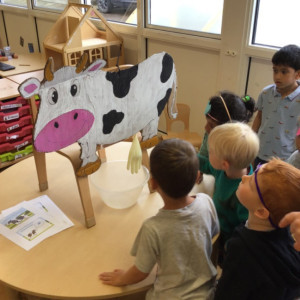
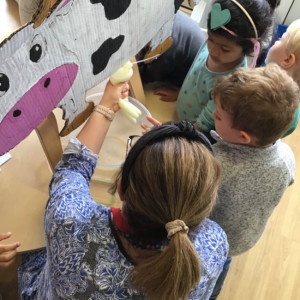
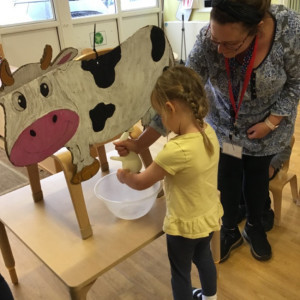
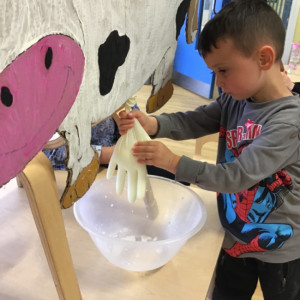
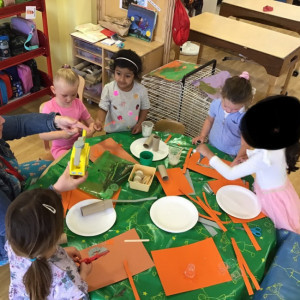
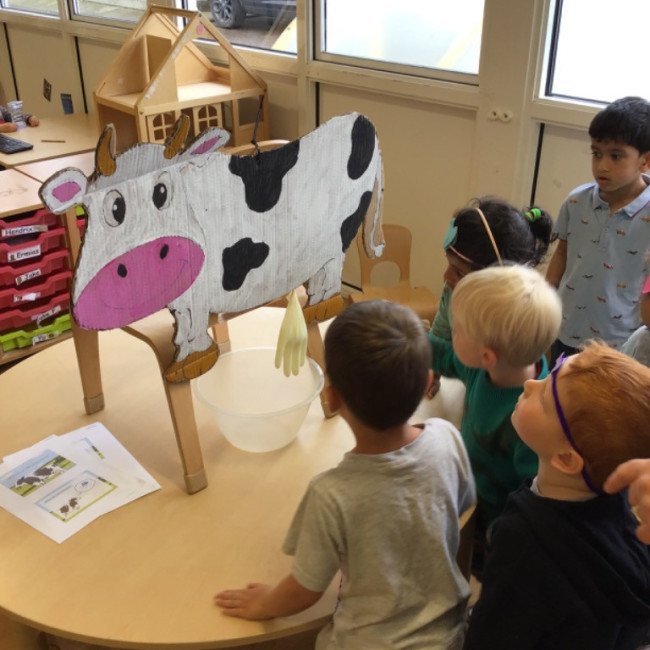
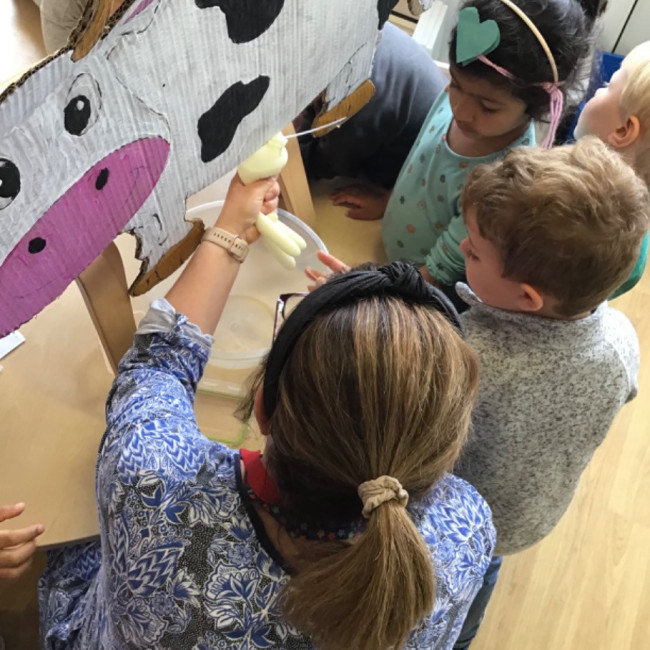
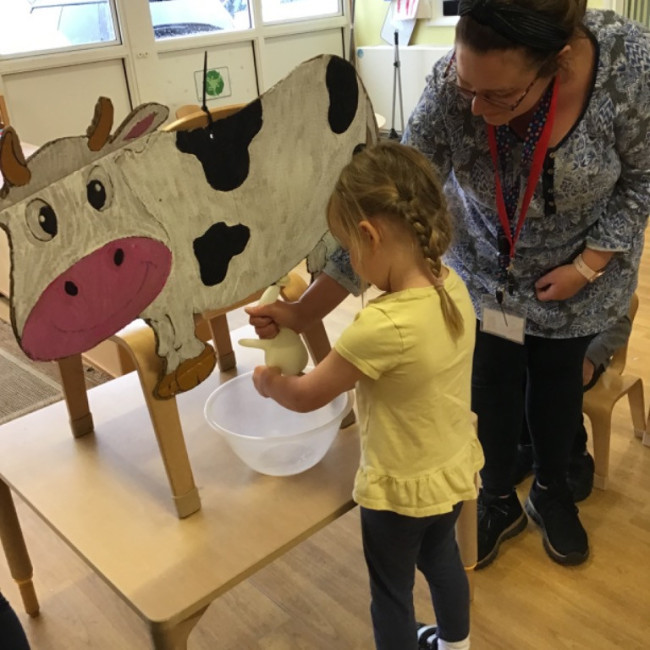
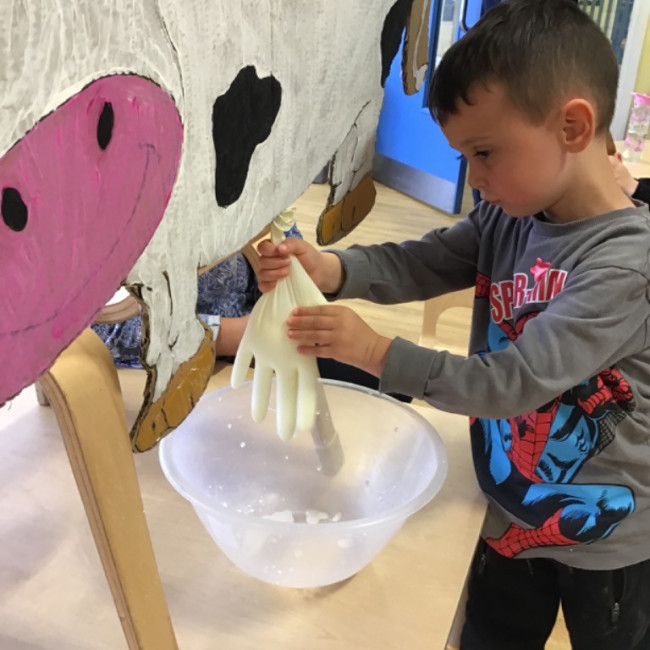
We've had a great week filled with farm based learning activities. One of the highlights was Daisy-May Flower, the giant cardboard cow with udders (kindly constructed by Debbie). The children were able to learn about where our milk comes from (before it gets to Tesco's!) and had the opportunity to 'milk' Daisy-May. Using props during practice can surprise and entertain young children as well as simplifying concepts. By actively engaging children in a scenario their experiences are more memorable. It's not quite as effective as actually visiting a farm but is the next best thing!
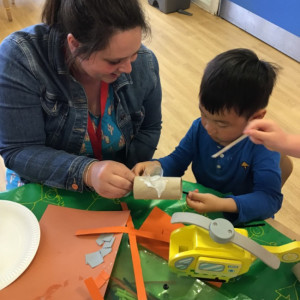
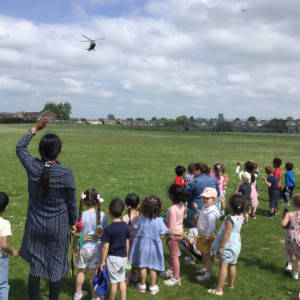
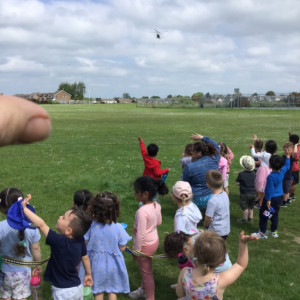
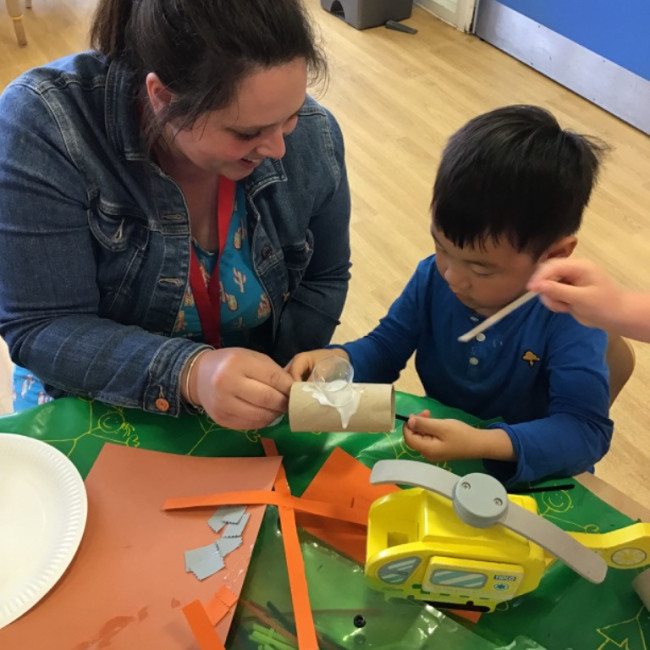
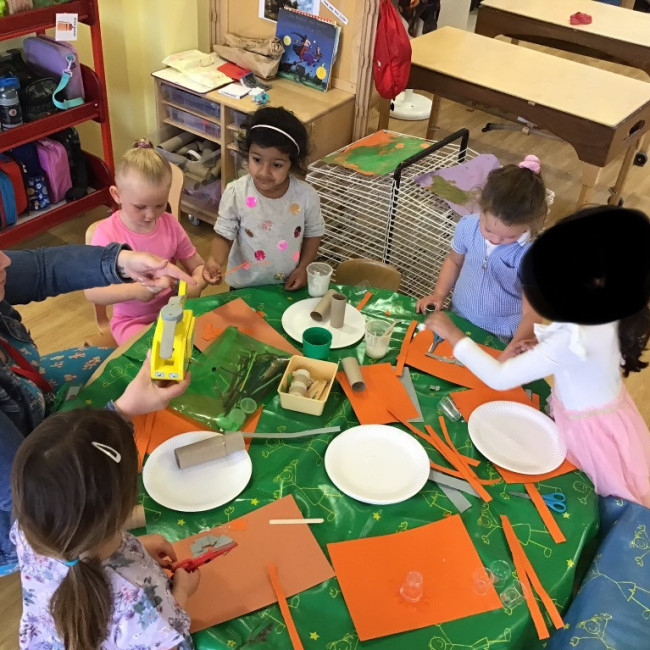
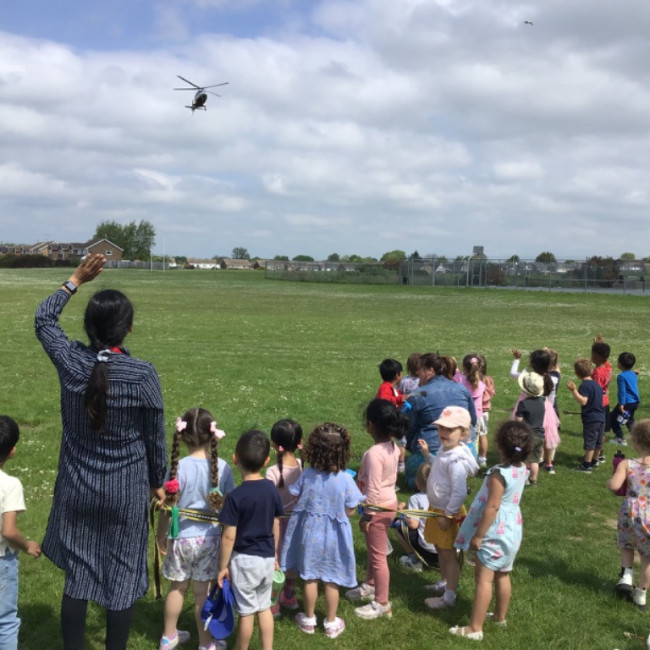
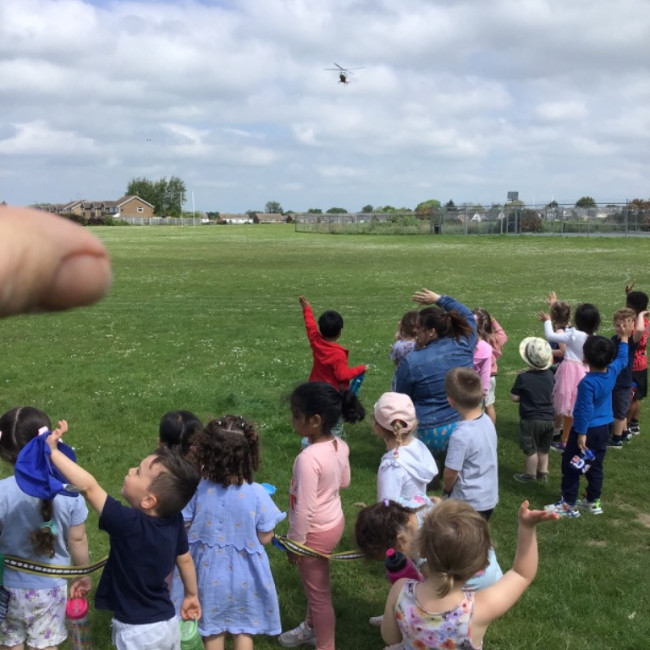
Another focus this week was the arrival of the air ambulance on the field while the children were playing outside. This spontaneous event was met with delight and interest by the Bumbles who were very responsive, listening to the adults and making way for the paramedics to attend to an incident in Springfield. This sparked lots of imaginative play and questions during the afternoon session with children recreating scenes involving the emergency services and making their own helicopters.
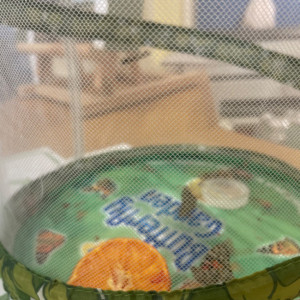
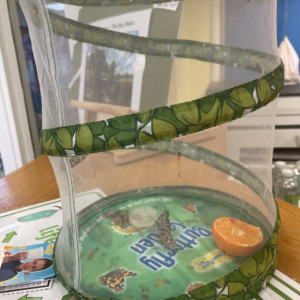
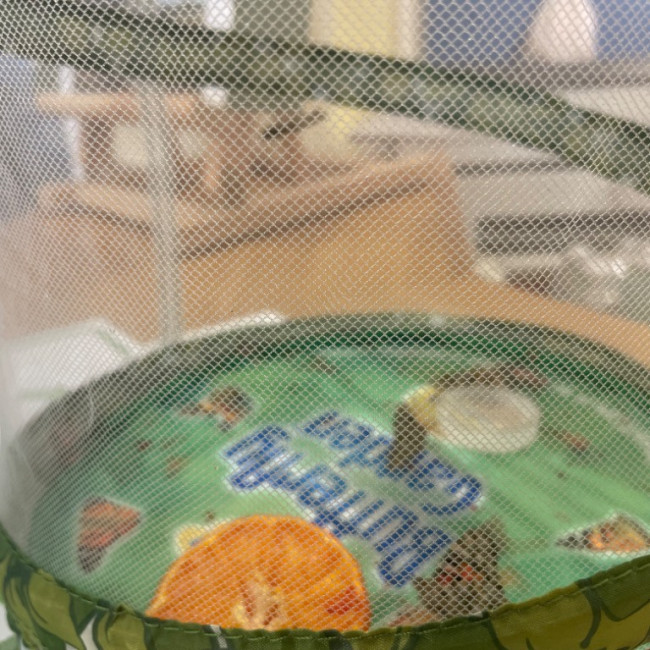
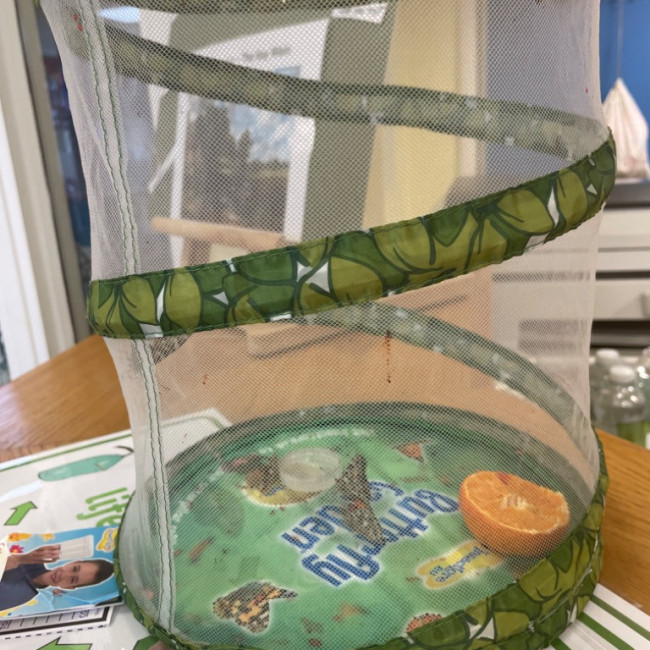
Our butterflies have emerged from their cocoons and have been exercising their wings and feasting on sugary snacks. Four of the insects came into the world within a couple of hours of each other and one, (I think it's Bingo) took a little longer and joined his friends a few days later. Bingo isn't as energetic as the other butterflies and has a crumpled wing. He is walking around and has been drinking some of the sugar water which will hopefully build up his strength.
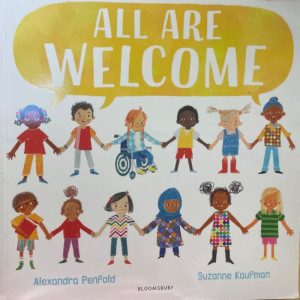
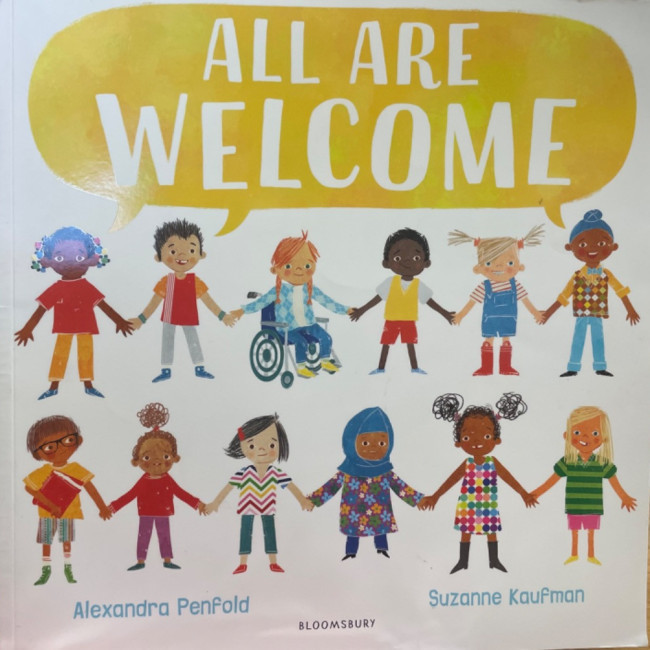
We spoke to the children about how we are all different and have unique characteristics that make us all special. We shared a book about diversity and learnt that our bodies come in all shapes and sizes and help us to get things done. All bodies need water, food, movement and sleep. Bingo is managing well at the moment and we'll make sure he is placed in a leafy bush if he is not able to fly off right away.
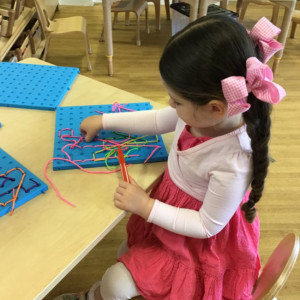
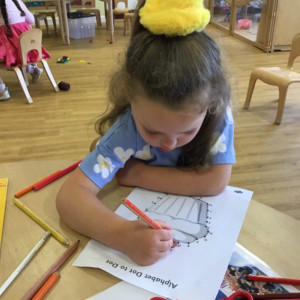
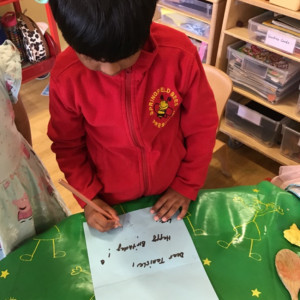
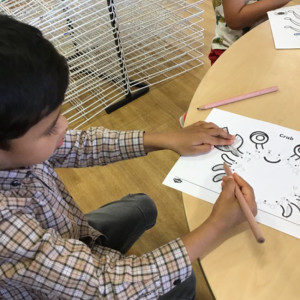
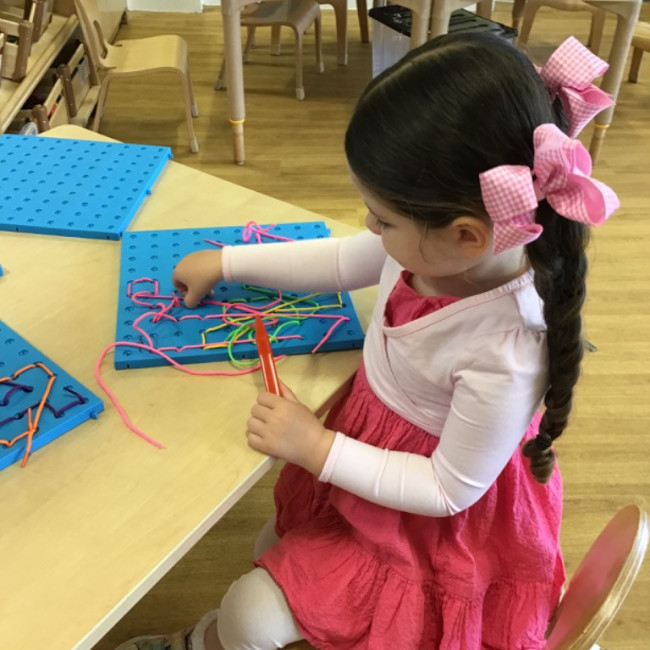
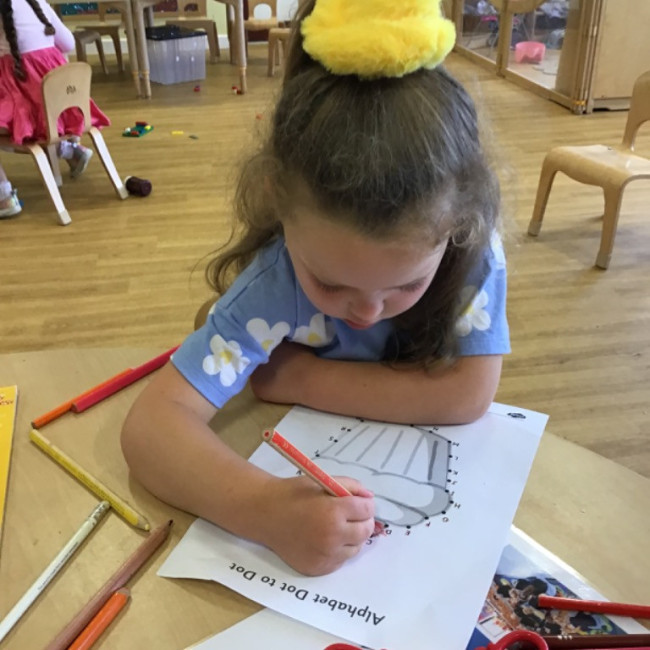
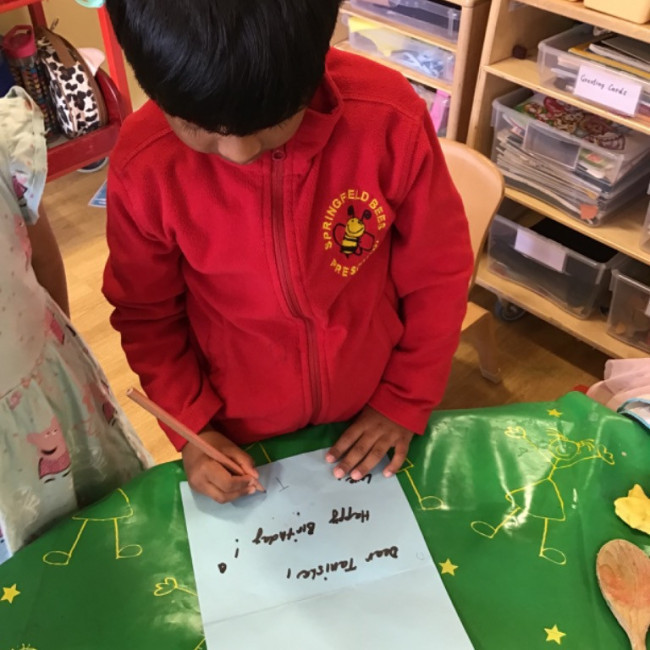
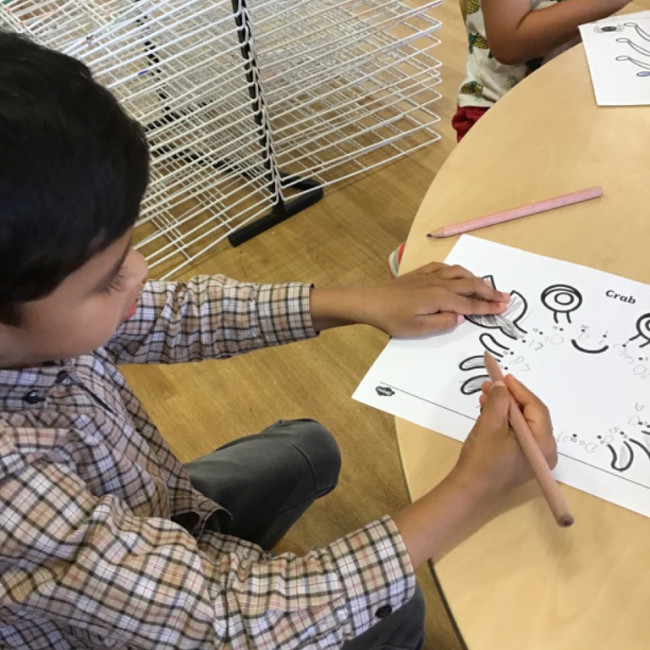
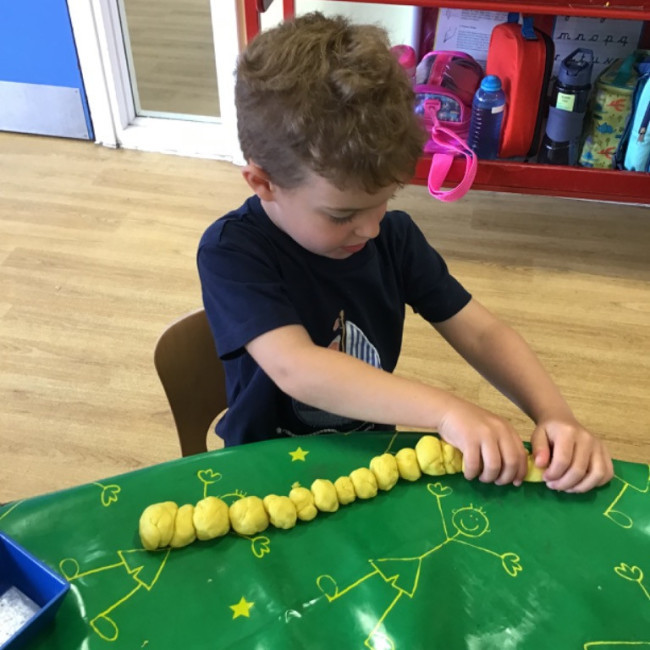
Some of our Bumbles were keen to practice their pencil holding skills this week and enjoyed some threading activities, dot to dot pictures and numeral writing. This age group are usually ready to develop their skills and learn about pencil grip, try writing their name and other simple words.
It's important that children aren't 'forced' to write before they are ready as this can impact negatively on future writing skills. Activities that support their fine motor skills can help them develop the correct muscles and build the strength needed to hold a pencil correctly. This is usually around 3.5 years of age.
Typical development for a child aged between 24 and 36 months means they usually:
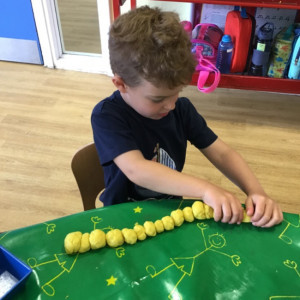
Distinguish between the different marks they make and enjoy drawing and writing on paper, on screen and on different textures, such as in sand or playdough and through using touch-screen technology.
Adults can help by:
- Listening and supporting what children tell you about their drawings and early writing.
- Drawing attention to marks, signs and symbols in the environment and talk about what they represent. Ensure this involves recognition of English, other languages and scripts
- Providing materials which reflect cultural diversity, so children see symbols and marks with which they are familiar, and learn that there are many different script systems e.g. Arabic, Chinese, Greek and Braille
- Try to have a notepad to hand (e.g. A5 size) in which you can scribe children’s stories and special words and share these stories and words with children
- Ensure children see you writing for a purpose, e.g. a shopping list, message for parents, labels in children’s play areas or reminders for ourselves.
These tips will help young children to develop their writing ability and literacy skills.
For more tips on developing fine motor skills and pencil control visit the following website - https://help-for-early-years-providers.education.gov.uk/physical-development/fine-motor-skills
Next week will be the last of our farm topic and the half term will follow the week after.
Have a lovely weekend.
Previous entry: Weekly roundup - 10 May 2024
Next entry: Weekly Roundup - 24 May 2024